
Throughout the 20th century, the dominant practice was to prune a tree right after it was planted in a mistaken effort to balance out any root loss. This is still commonly practiced today, but I wouldn’t recommend it - over the past decade we have increasingly found that this method can be detrimental. Young trees need as much leaf area as possible to begin acclimating themselves to their new surroundings.
So if you plant a tree on your own, don’t cut unless you must (and if you aren’t certain, consult an expert)! To help ensure a strong branching structure, trees can be structurally pruned 3-5 years after planting. This gives it enough time to become well established (this varies with each tree species). But they can only handle a certain amount of canopy loss per year without harm; the rule of thumb is to cut no more than 25% of the total leaf area.
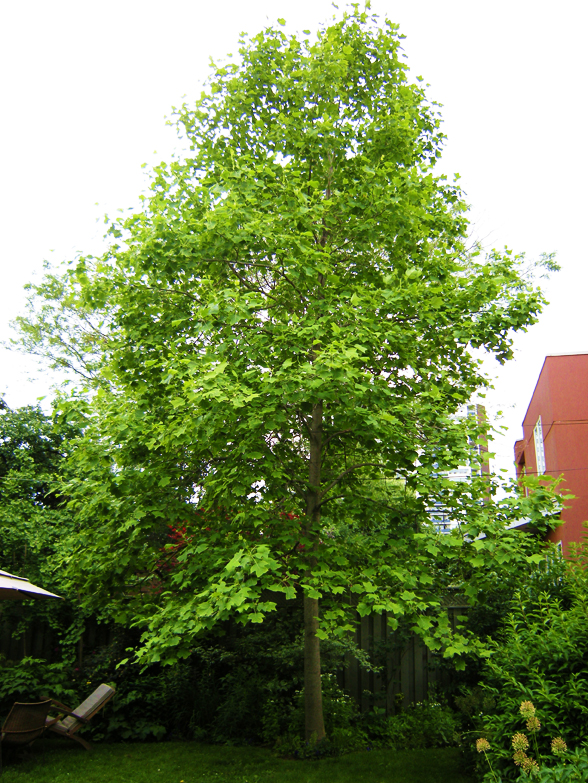
It takes a trained eye to recognize which branches should be kept as a trees’ future scaffold versus which should be removed to avoid future problems. Branches must be cut in a specific way to ensure proper healing (things like wound sealant can trap decay and should be avoided at all costs). Pruning trees is a delicate business and should be left to professional arborists unless the work is very minor (i.e. removing a few lower branches to raise the canopy).
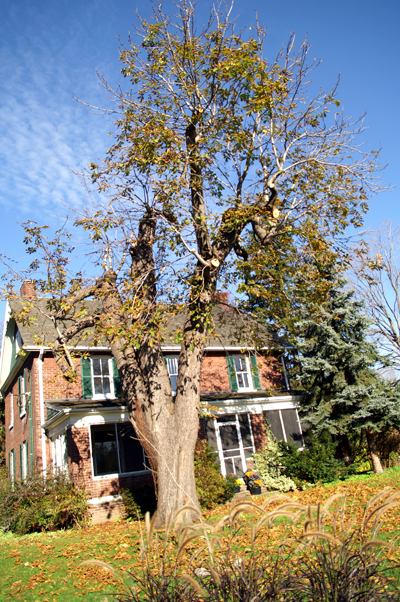
The topping of trees is still an epidemic in the tree care industry. This is when homeowners, wanting to reduce the height of their tree, have untrained “professionals” chop all of the branches off at a certain height (which can result in a very odd looking canopy and an unhealthy tree) instead of cutting back branches methodically (and correctly) for crown reduction. Because topping trees creates weak branching points and potentially dangerous branching structures, it should never be done. If your arborist suggests it, find a new one!
If you’ve planted a tree in the last 3-5 years, hiring an ISA certified arborist to prune it can result in a much stronger, safer tree and potentially save you money (and save you from stressful situations) in the future. LEAF offers structural pruning for trees up to 15 feet in height at a cost of $75 +HST. If your tree is taller than our maximum, I recommend you get quotes from at least three different tree care companies, ask lots of questions, and always check references!