
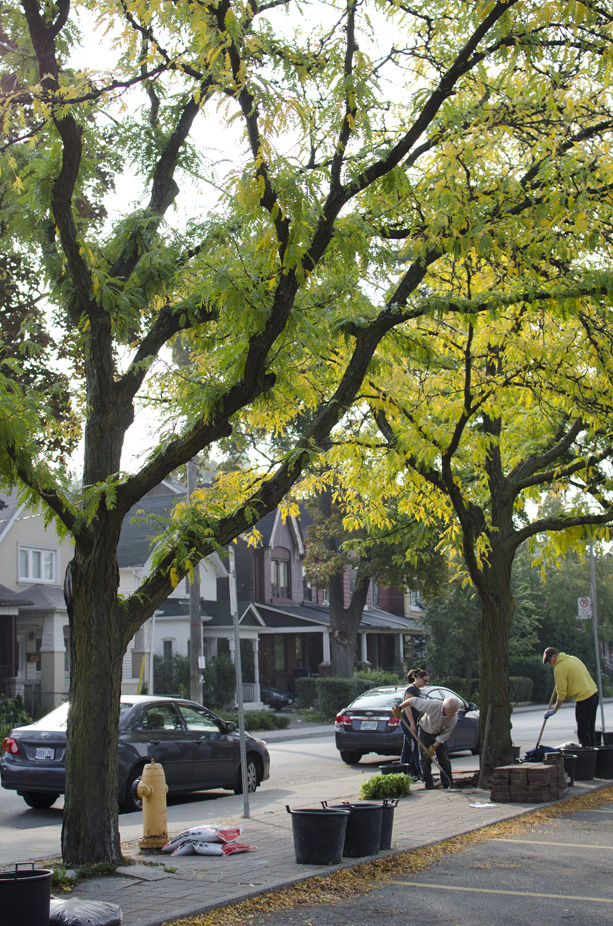
Just south of Pacific Ave and Dundas St West, we removed over 200 interlocking bricks to improve the lives of four existing boulevard trees. Despite their day-to-day battle with compaction, drying salt, and lack of access to moisture and nutrients these four honey locusts have grown into beautiful specimens that provide shade to the streetscape and beautify the neighbourhood – along with a host of other ecological benefits.
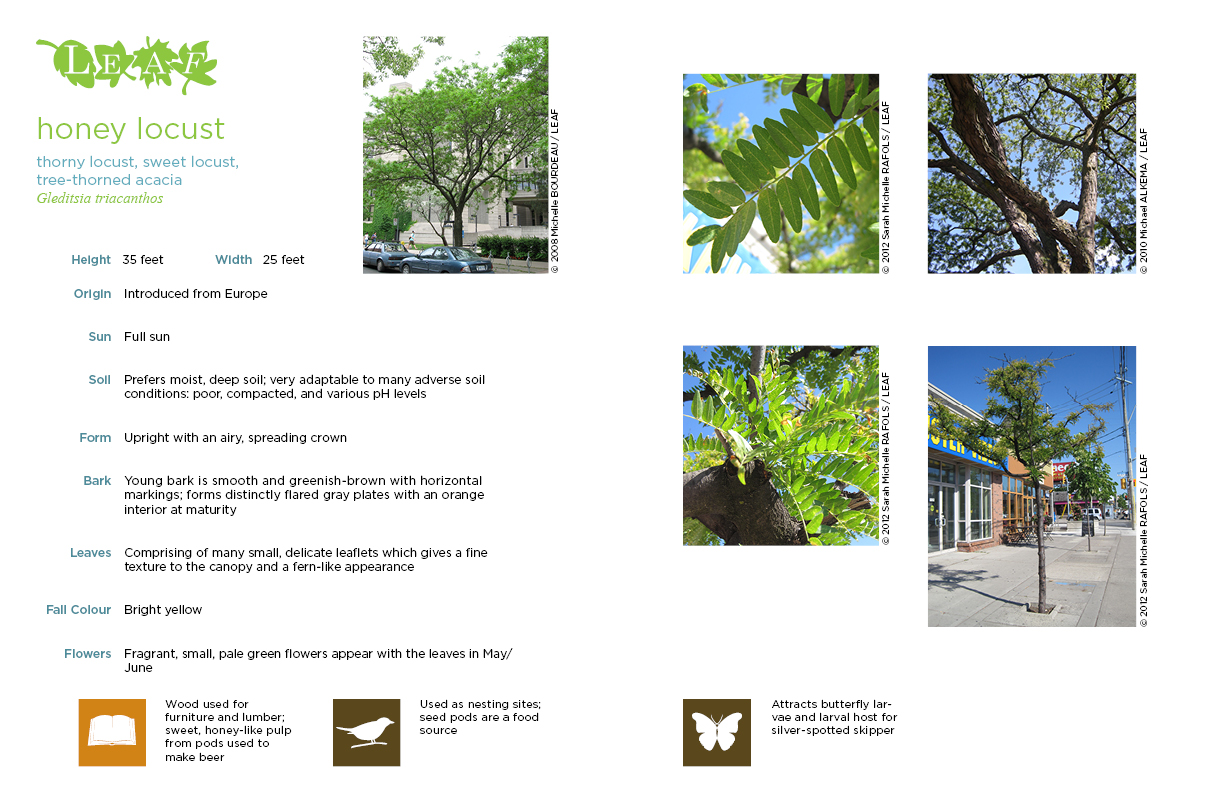
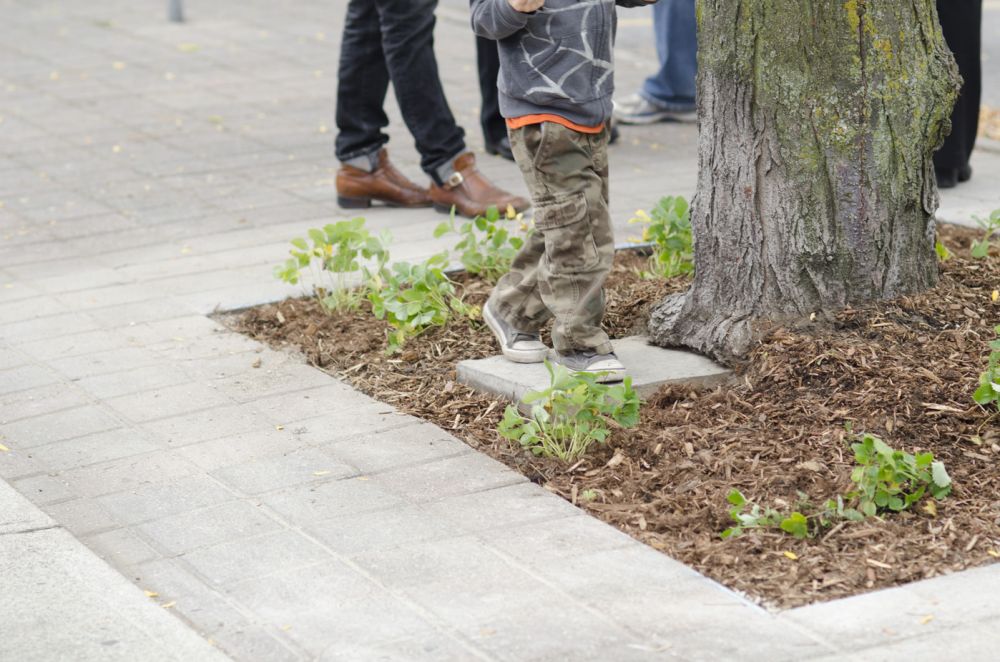
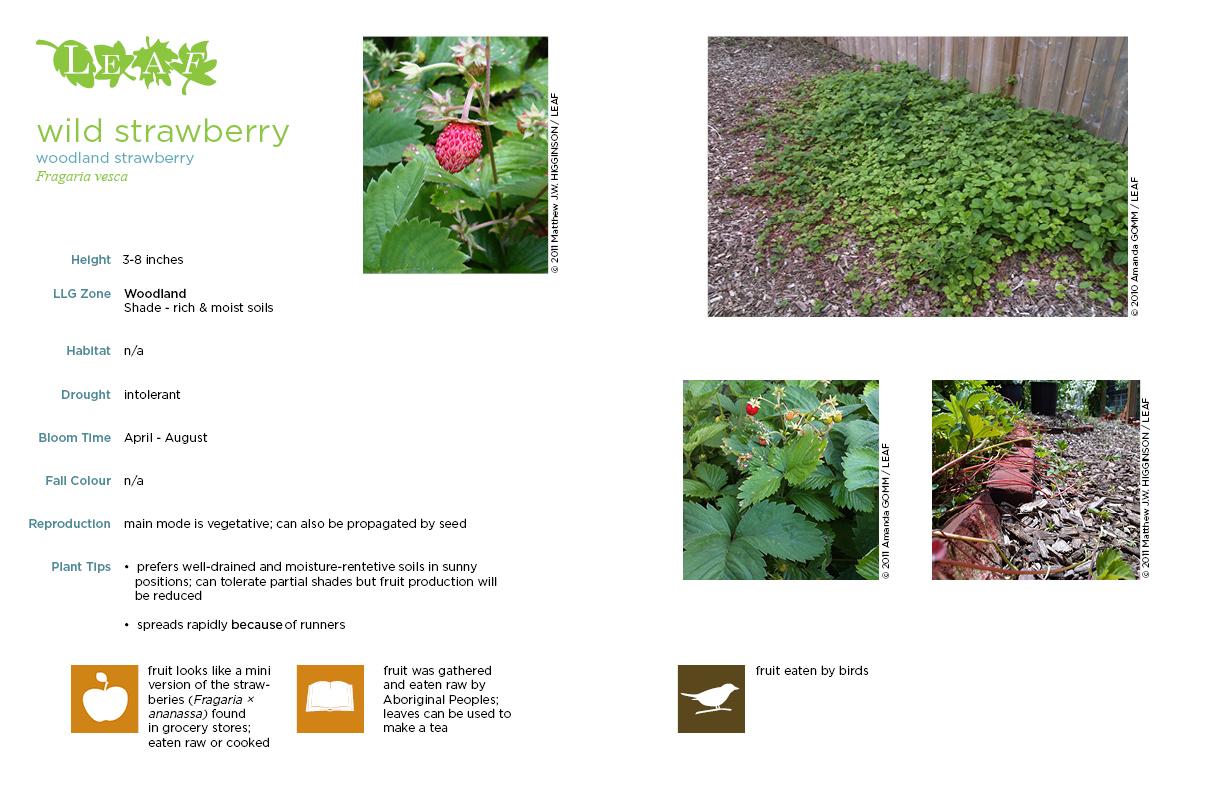
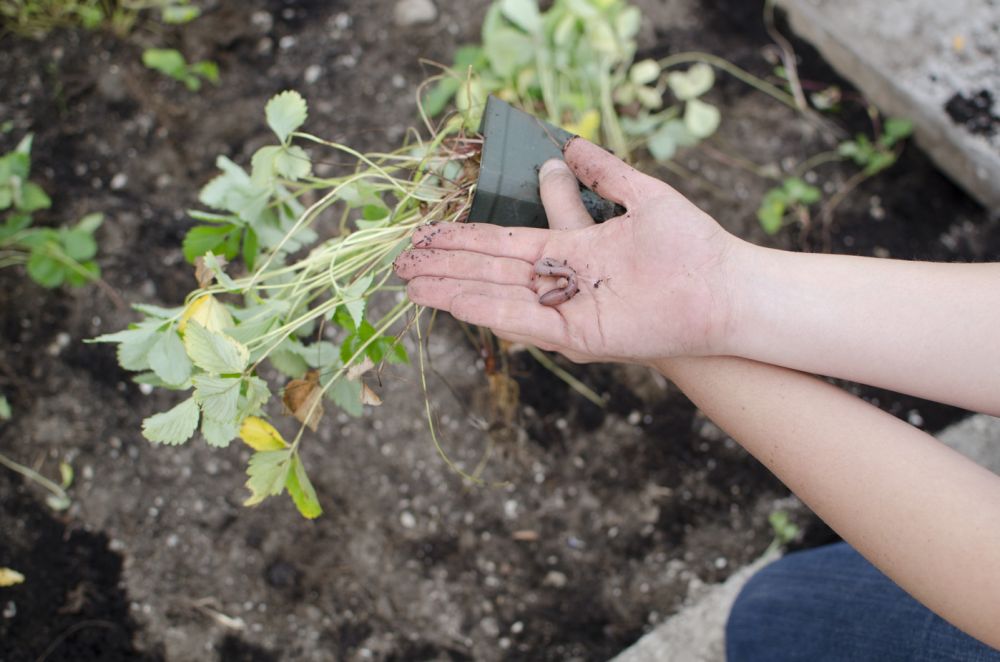
These trees had grown so large in fact, that they were starting to grow overtop of the paving stones! So much so, that we had to leave one of the stones in place or risk causing damage to the trunk than it was initially doing. With the help of our amazing volunteers, we removed gravel, added fresh soil, mulch, and wild strawberries to improve soil fertility and the health of the trees in the long-term. They’re a super hardy groundcover that can populate tough situations. Green Gardeners were on-hand to reclaim the stones and gravel we removed and recycle them for future landscaping projects.
Now, before you decide to go out and start ripping up pavement, be warned there’s more to it than meets the eye. Just like any tree project, there are a lot of people that need to be involved and a lot of planning that needs to take place before the actual depaving action itself. Our trees in the Junction were no exception.
1) Utility locates are one of the most important steps you can take in determining if you can depave a potential site. The simple truth is: sometimes areas are paved for a reason - and it could be the very good reason of keeping infrastructure protected and people safe.
2) The second most important factor that needs to be in place with a project like this is community support. We worked with closely with Councilor Doucette, her office, as well as both Urban Forestry and Transportation Services from the City of Toronto to find the perfect location, get approvals, and get the required permits for our proposed activities. Green 13 and the Junction Resident's Association also assisted in gathering community support and volunteer help.
3) The Junction Business Improvement Area (BIA) and No Frills were also instrumental in providing the necessary support during the approval process and vision to see the project succeed in the long-term. Part of this included the BIA signing on to routinely water the four trees for the next two years to get the strawberries established. Once established, they’ll work their magic to improve soil conditions and act as soil moisture insulators for many more years to come.
Our first depaving project has been a success because we focused our energy on involving the local community and committing to long-term care of our depaved area. We’re looking forward to watching the trees and strawberries continue to grow and keep our city green.