
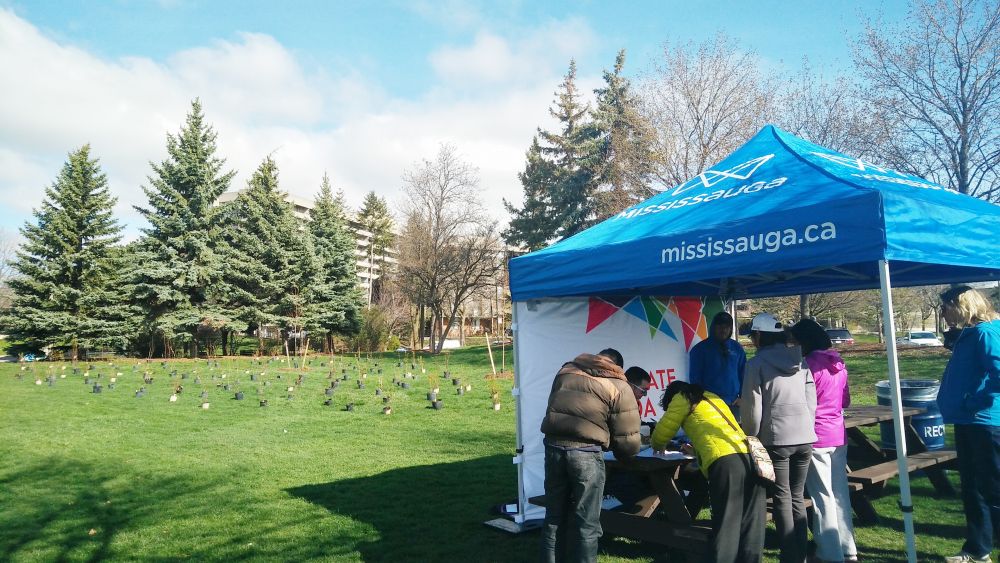
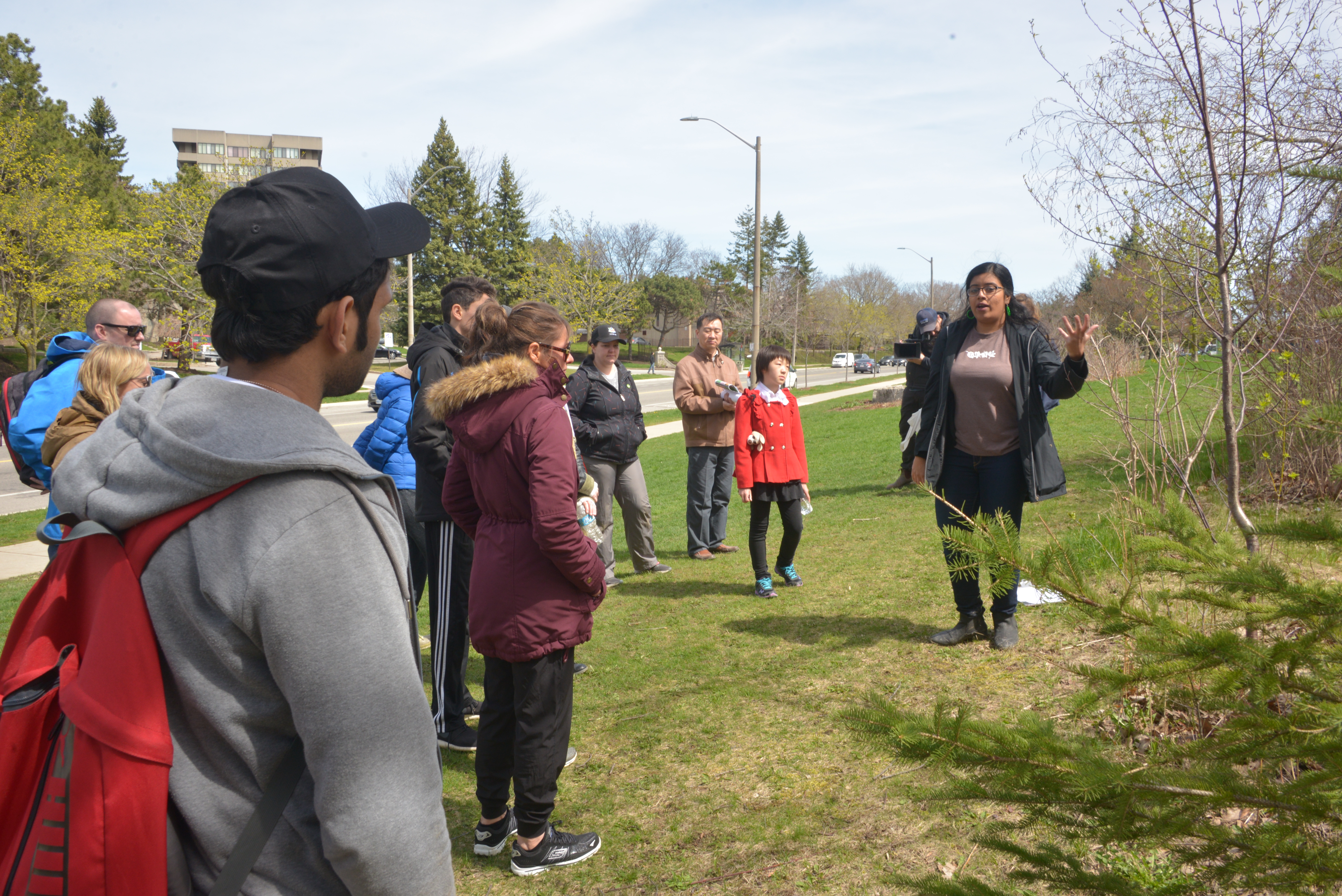
I was very excited to be leading this tour as part of the City of Mississauga’s Canada 150th birthday celebrations. We began in a naturalized area of the park where community volunteers had helped plant native species of trees and shrubs. What was once a turf area is now rich with a diversity of species and no longer requires mowing. Not only has it reduced our carbon footprint, it also offers beauty for residents and habitat for wildlife!
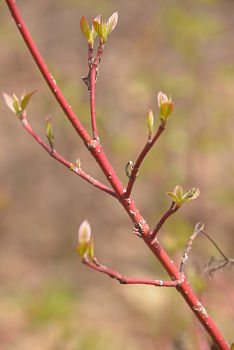
Some of the species that attracted our attention were red osier dogwood and stag horn sumac. Both of these native shrubs are well-loved by birds for the food and shelter they provide. And both can be easily identified – red osier dogwood by its bright red stems and staghorn suman by the fuzzy texture of its stems and large cone-shaped red cluster of berries (resembling stag horns/antlers, thus the name)!
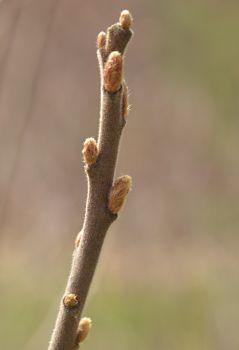
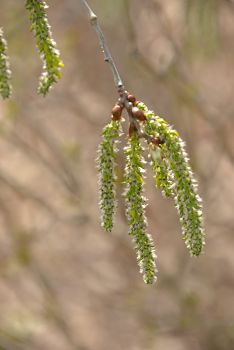
Some species can be identified in early spring by their catkins (flowers) which emerge before the leaves, such as this eastern cottonwood tree and paper birch.
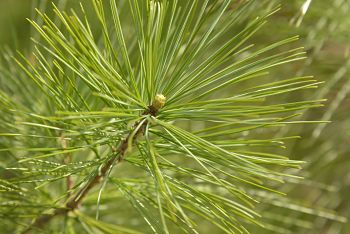
Kids on the tour were excited to point out ‘Christmas’ trees with needles such as spruce and pine. We learned to identify Ontario’s provincial tree, the white pine, by discovering its needles always come in bundles of five!
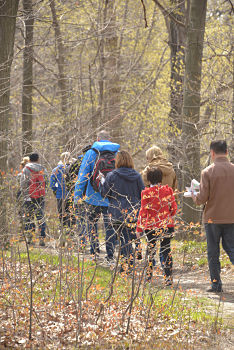
We enjoyed some time in the park’s woodlot with a great diversity of mature trees. Mature trees can be identified by examining the overall shape of their canopy or studying the pattern or form of the bark.
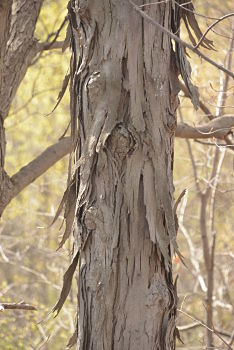
To everyone’s delight, we spotted a stunning shagbark hickory tree – with the bark peeling and curling up giving it the ‘shaggy look’.
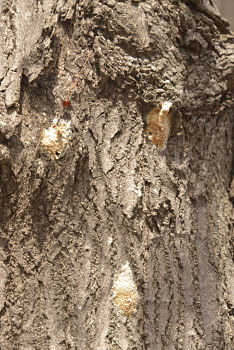
The woodlot is also home to some invasive tree pests. We spotted egg mases of gypsy moth on oak trees, which can usually be found in oval-shaped clusters under branches on the bark. This pest can also make a home on other species such maples and poplars. The caterpillars can rapidly defoliate a tree by feeding on its leaves. Without healthy leaves to photosynthesize, an urban tree that is facing many other stresses, may not survive.
We wrapped up the tour highlighting two easy things residents can do to help grow a resilient urban forest; plant diverse native species in their own yards and report sightings of invasive species through https://www.eddmaps.org/ontario/
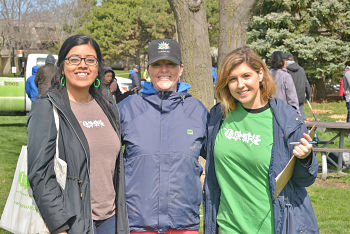
Check out our Facebook album for more photos from the event.
A big thank you to our volunteers for making this tour a success! This event was made possible by support from City of Mississauga and their One Million Trees Program. The City also supports our Tree Tenders Volunteer Training program, a multi-day course with engaging indoor and outdoor sessions that provide local residents with skills to grow and care for urban forest.
Our fall Tree Tenders Training Program will take place in Clarkson Community Centre in Mississauga over the following dates and times:
Tuesday September 19th | 6:00 PM to 9:00 PM
Saturday September 23rd | 10:00 AM to 4:00 PM
Tuesday, September 26th | 6:00 PM to 9:00 PM
Saturday September 30th | 10:00 AM to 1:00 PM
Limited spots are available so click here to register today!
Photographs were taken by David Slaughter and Tooba Shakeel
Tooba Shakeel is an ISA certified arborist and LEAF’s Education and Outreach Coordinator.
LEAF’s education programs are supported by City of Mississauga.