
Climate change is the long-term shift in average temperature and weather patterns, driven largely by human activities such as burning fossil fuels. When carbon dioxide and other greenhouse gases accumulate in the Earth’s atmosphere, they trap the sun’s heat (the “greenhouse effect”). Our built environments compound this warming further, absorbing and retaining additional heat and accelerating climate change. This human-induced warming increasingly fuels extreme weather events such as heat waves, droughts, wildfires, thunderstorms and floods, which threaten ecosystems worldwide as plants, animals and humans struggle to adapt.

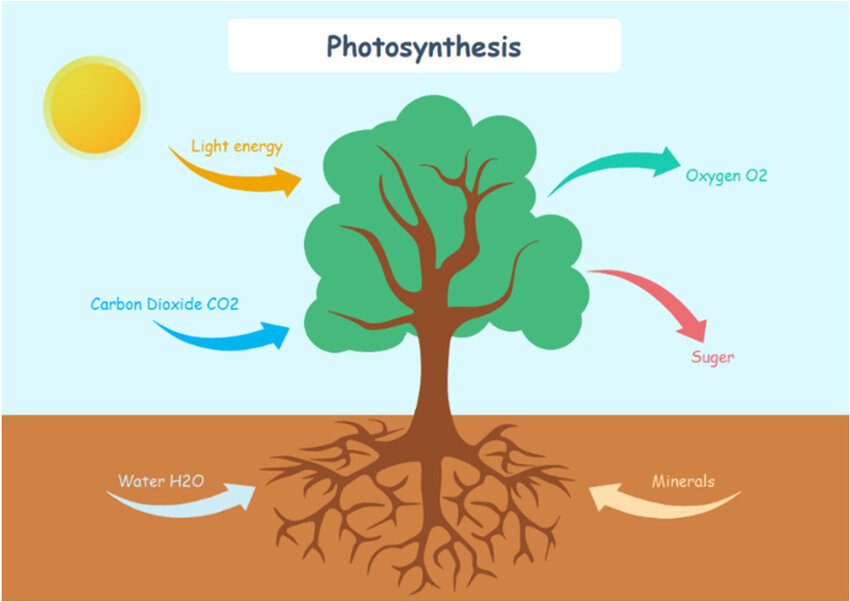
Fortunately, Mother Nature has gifted us with a great defence mechanism to combat climate change: trees! Trees undertake a process called photosynthesis, in which they use sunlight, water and carbon dioxide to create plant food and oxygen. To get the carbon dioxide needed for this, trees absorb it from the atmosphere and store it, thereby counteracting the greenhouse effect. Their role in climate change mitigation doesn’t stop there — trees also act as buffers against extreme weather events by absorbing groundwater, controlling soil erosion, providing passive cooling and acting as windbreaks.
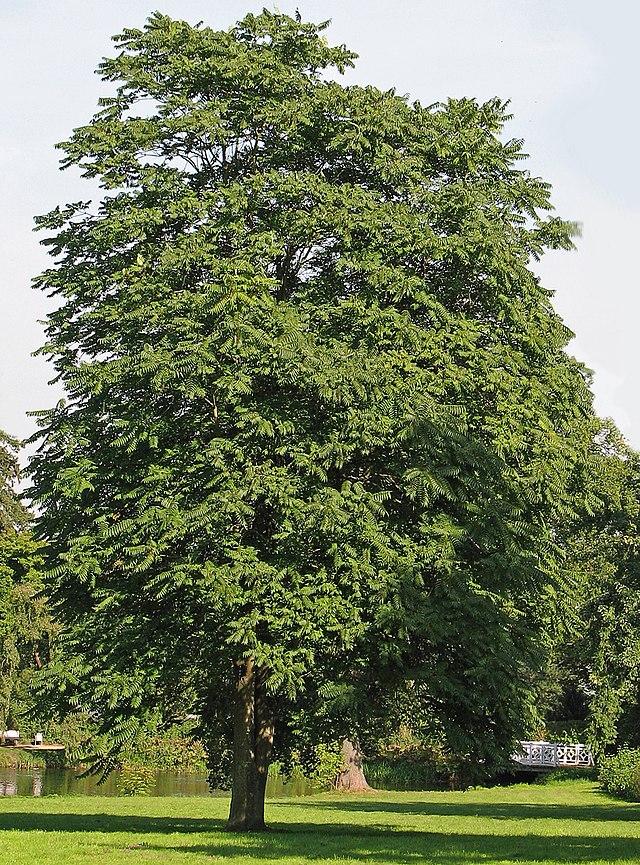
So, should we focus on planting large, fast-growing, easy-to-establish species? Species such as the Norway maple, tree-of-heaven and black locust may establish quickly, but there’s a catch — these species are non-native and can become invasive by outcompeting native plants and disrupting ecosystems. To top it off, non-native species often lack the nutrients that local wildlife need, in turn leading to a food deficit.
.jpg)
Keeping all this in mind, a strong case can be made for planting native trees instead! Native species are plants that naturally grow in a particular area and have evolved alongside the local climate, soil and wildlife over thousands of years. As such, native trees are naturally resilient to local challenges, making them more stable and better equipped to withstand a changing climate. Their roots absorb water and stabilize soil, reducing runoff and soil erosion during heavy rainfall and flooding events. Because they have adapted to our local soil and climate, they are often more drought-resistant than their non-native counterparts. They promote biodiversity by providing essential food, shelter and habitat for native pollinators, birds and small mammals. Lastly, native trees require less long-term maintenance because they are well-suited to their growing environments and therefore use resources such as water efficiently.
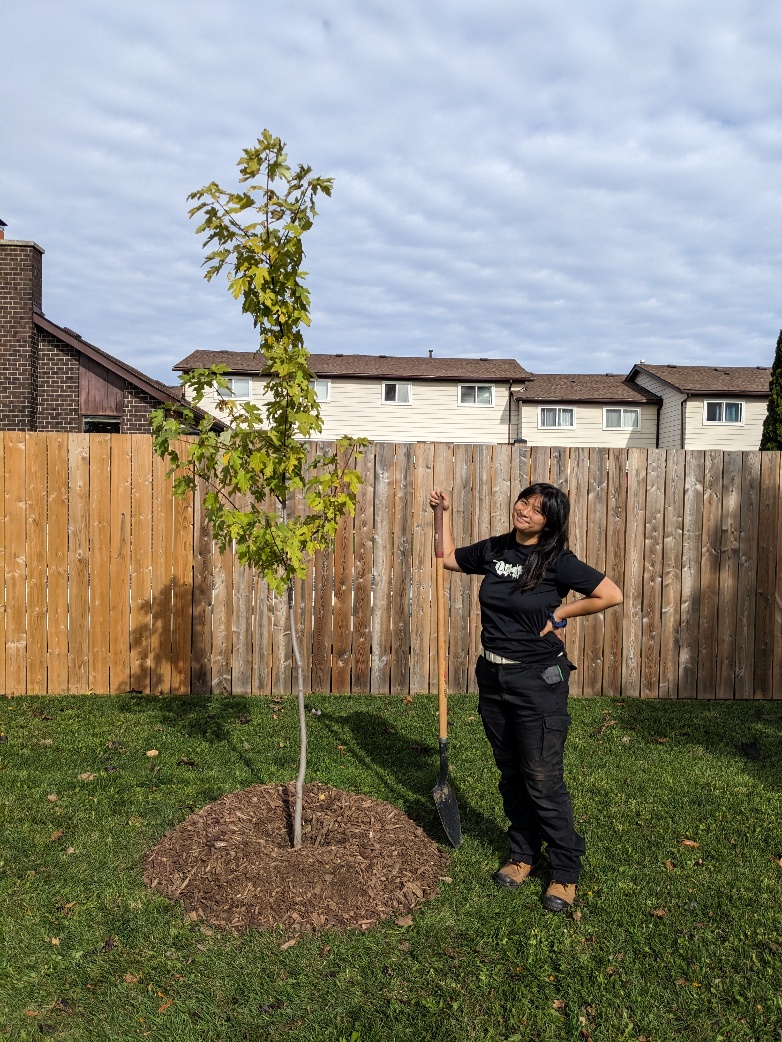
(© 2025 Adam James / LEAF)
As you can see, native trees are essential for combating climate change because they are inherently adapted to local conditions, require fewer resources, provide long-term carbon storage and support essential biodiversity. So, if you want to help combat climate change in your neighbourhood, consider nurturing your own forest of backyard climate warriors! LEAF makes it easy! We host several community tree planting opportunities throughout the year and offer a subsidized Backyard Tree Planting Program for those interested in planting trees on their own property. We hope you will join us!
Adam James is the Residential Planting Programs Field Assistant at LEAF.
LEAF offers a subsidized Backyard Tree Planting Program for private property. The program is supported by the City of Toronto, the Regional Municipality of York, the City of Markham, the Town of Newmarket, the City of Vaughan, the Regional Municipality of Durham, the Town of Ajax, the Municipality of Clarington, the City of Oshawa, the City of Pickering, the Township of Scugog, the Town of Whitby and Ontario Power Generation.