
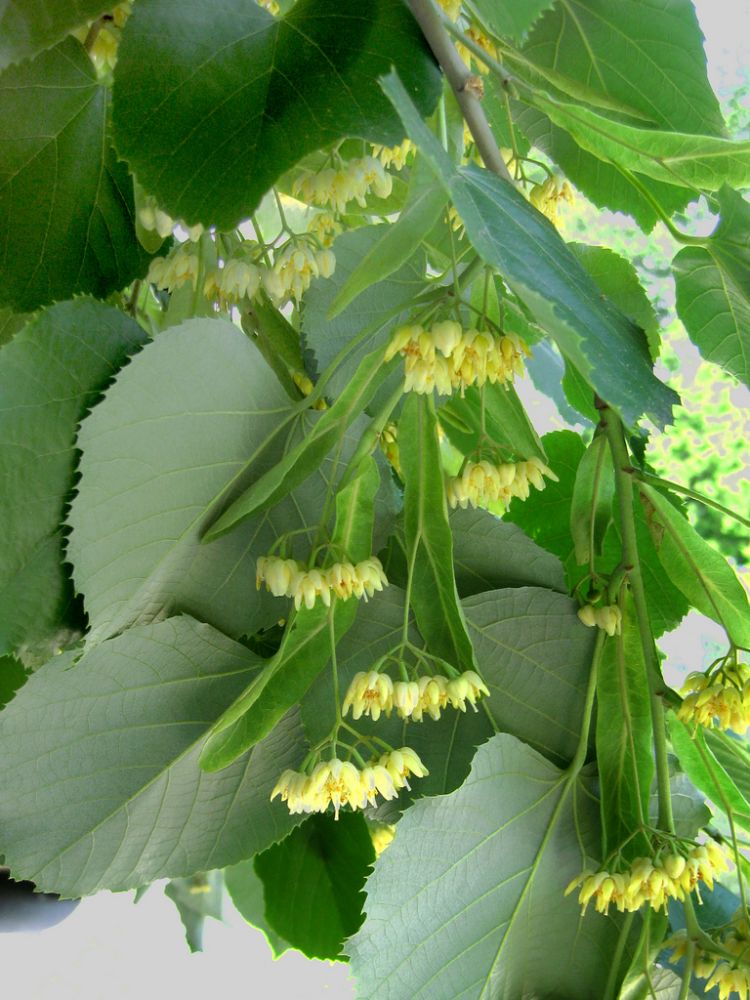
Basswoods (Tilia americana) have a reputation for producing one of the best honeys in the world, which has been enjoyed for thousands of years. Blooming in late June to early July, the basswood produces clusters of scented, creamy whitish-yellow blossoms that provide generous amounts of nectar, especially in warm, humid weather. This attracts bees from miles around. Once processed, the fragrant aroma and sweet but slightly bitter taste of the basswood honey, along with its clear to amber colour, make it popular for culinary and healing purposes.
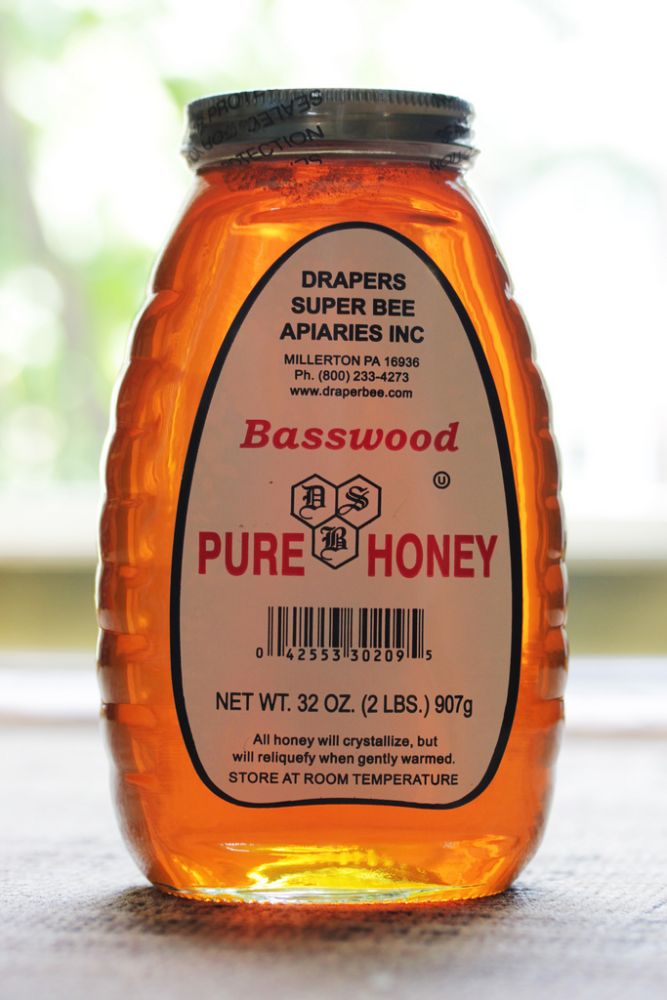
Basswood honey is often described as having a fragrant aroma and fresh woody flavour with hints of mint and balsamic, making it ideal for teas, salad dressings, and marinades. When ingested with lemon, it is used to treat colds, coughs, and fevers. The honey alone has also traditionally been used to treat liver and gall bladder infections, soothe sore eyes, prevent tonsillitis and relieve gastrointestinal and respiratory inflammation. When applied externally to skin, it helps to heal sores, eczema, and burns.
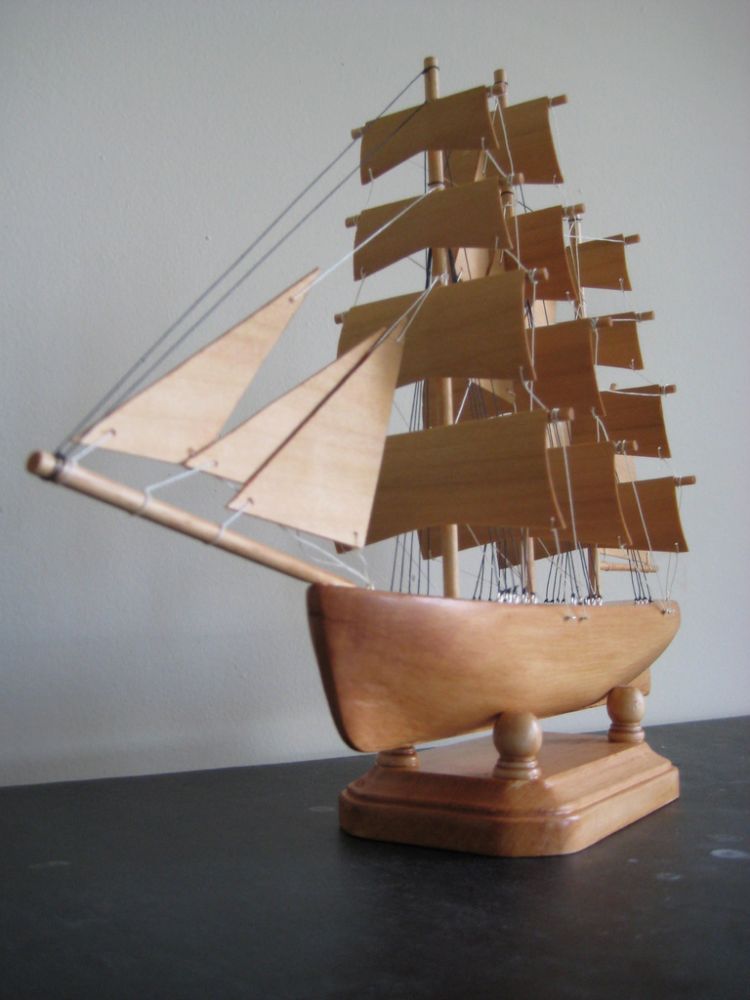
Besides the production of sweet honey, other parts of the basswood tree have also been traditionally used for many different purposes. Its inner bark was used as a source of fibre to make rope, mats, fish nets, and baskets. Its soft, easily worked wood was used for hand carving. Its leaves were used as a food source and its cambium (the layer of tissue that lies just under the bark) was used to make soups and breads. Birds and deer feast on the basswood buds throughout the winter and its fruits are readily eaten by both birds and small mammals.
Not only is the basswood a very “sweet” and useful tree, it also has some very interesting physical features. Its glossy green, unevenly heart-shaped leaves are coarsely toothed along the margins and turn a beautiful yellow in the fall. Its bark is light and silvery in colour when young, and becomes more rigid and furrowed with age, turning a darker grey as the tree matures. The flowers that appear during early summer give way to nutlets (nut-like fruit) attached to leafy wings that ripen in late summer and remain on the tree until mid-winter. In addition to these unique features, the basswood also has a very distinct upward, pyramidal growth form and pointed, dark red buds, making it an easy tree to identify in the winter.

So if you are interested in having your own honey tree, contact us to book a consultation with one of our arborists to find out if the basswood is a good fit for your yard. Sign up for our Backyard Tree Planting Program today!
The Backyard Tree Planting Program is supported by Ontario Power Generation, York Region, Ontario Trillium Foundation, City of Markham, Town of Ajax, Durham Region, Toronto and Region Conservation, and Toronto Hydro.
Brenna Anstett is LEAF’s Field Operations Coordinator.