
The first two years after planting are the most crucial time in a young tree’s life. Moving from the nursery to a new planting site can be stressful. The trees must recover from transplanting and establish roots in unfamiliar urban soil. Without a little extra care during this adjustment period, a young tree might struggle to establish itself. This is where Tree Care Teams come in: these community groups go out once or twice a week to care for trees in their area and help ensure they thrive.
If you’re interested in caring for trees in your neighbourhood, it’s as simple as one, two, TREE!
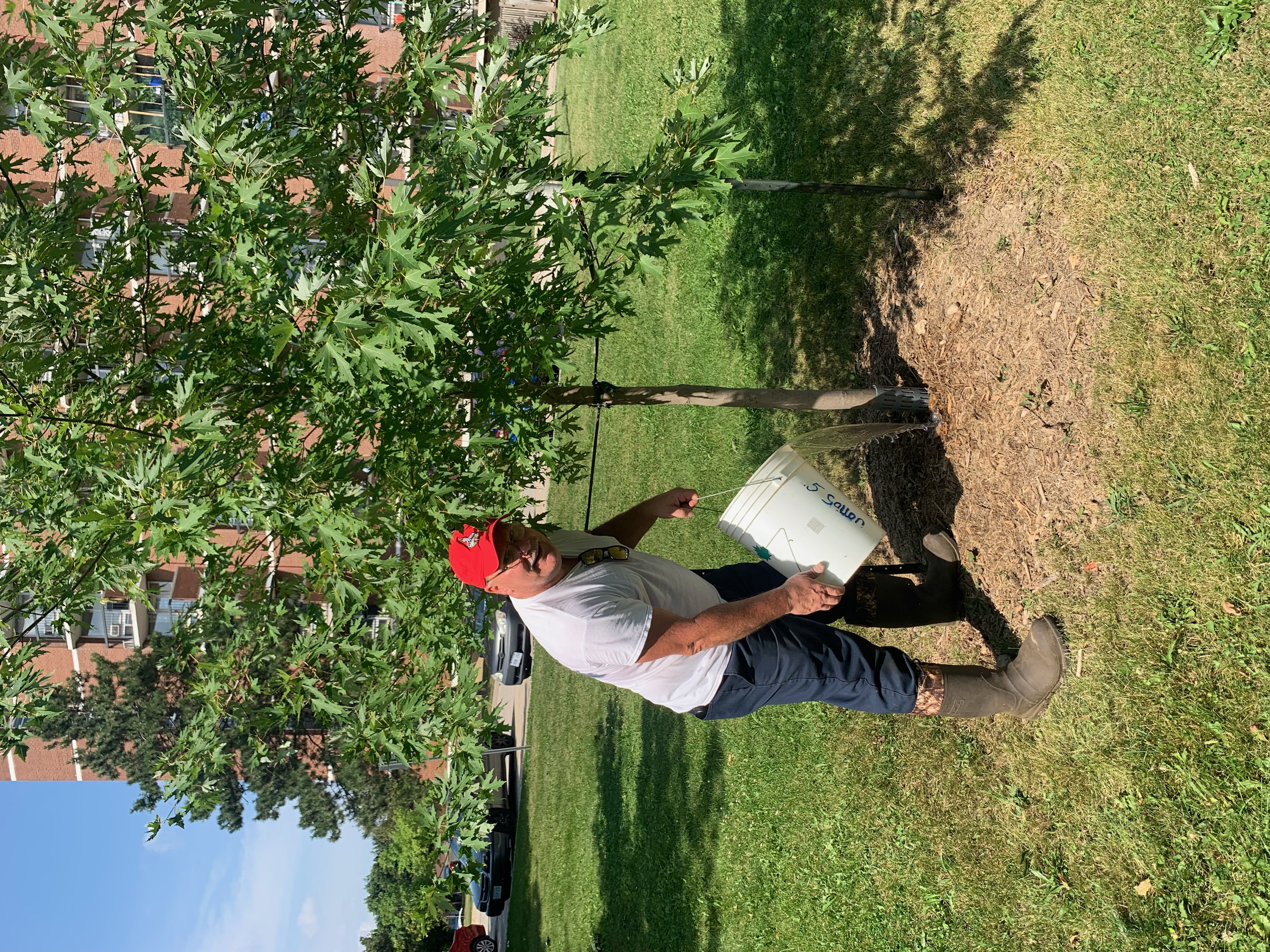
Tip One: Hydration is key for gorgeous trees!
To grow big and tall, trees need water, and a lot of it! Young trees need about six gallons of water (that’s three watering cans) twice a week, with a little extra during drought. These young trees aren’t used to having to wait for rain, and their roots aren’t yet deep enough to search for water in the soil. A little extra help with hydration goes a long way toward keeping them healthy and happy.
Tip Two: Thank you very MULCH!
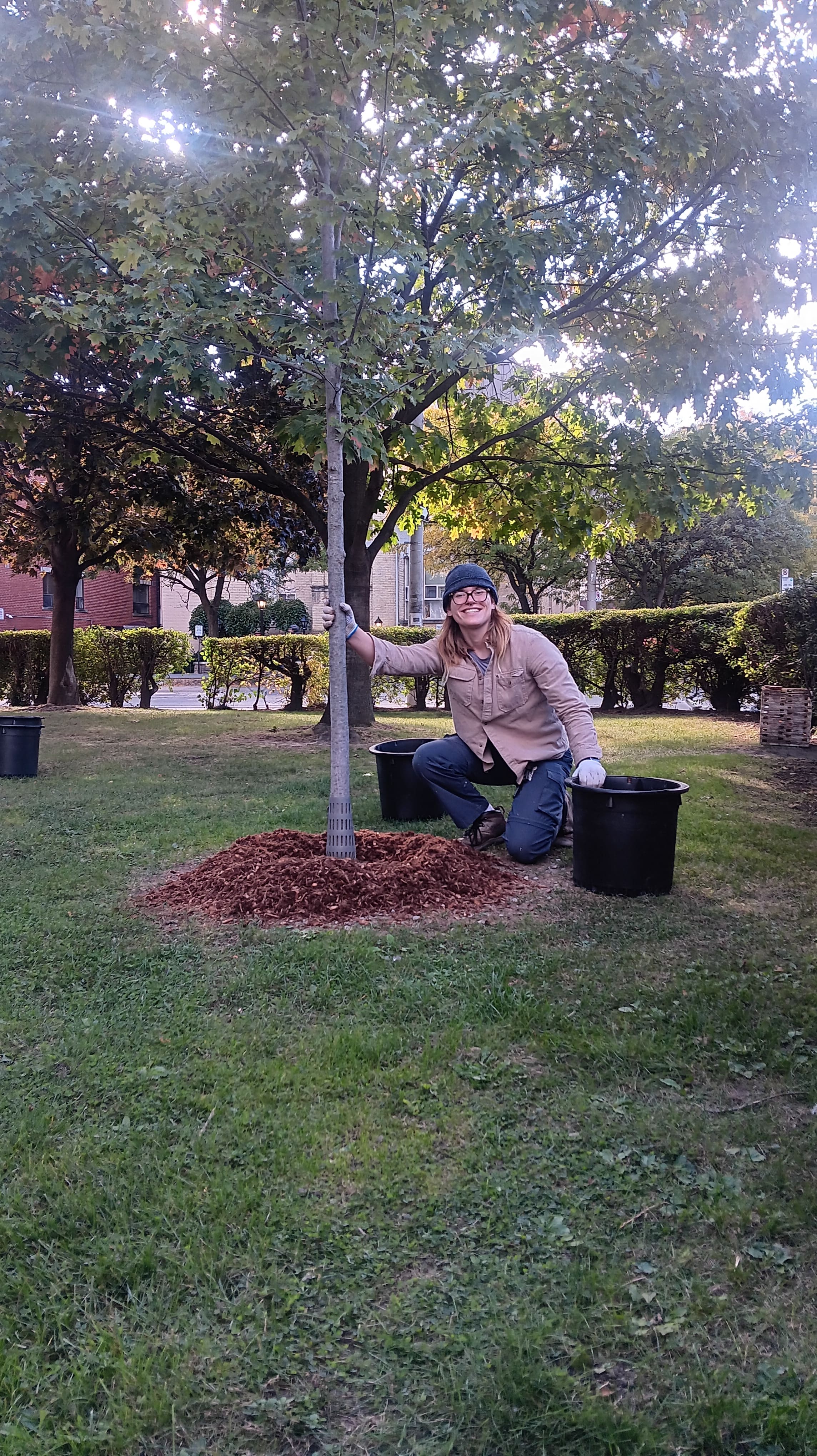
Mulch is one of the most valuable things you can give a young tree. As it breaks down, it adds vital nutrients to the soil, much like fertilizer. It also retains moisture, keeping the soil from drying out between waterings. Finally, mulch suppresses the growth of grass or weeds around the base of the tree. Without it, these plants can compete with young trees for the water and nutrients the trees need most in their early years.
We recommend mulching in the spring, spreading it in a large donut shape around the tree. Be sure to leave some space between the mulch and the trunk to give the tree some breathing room!
Tip TREE: Keep watch and let it grow!
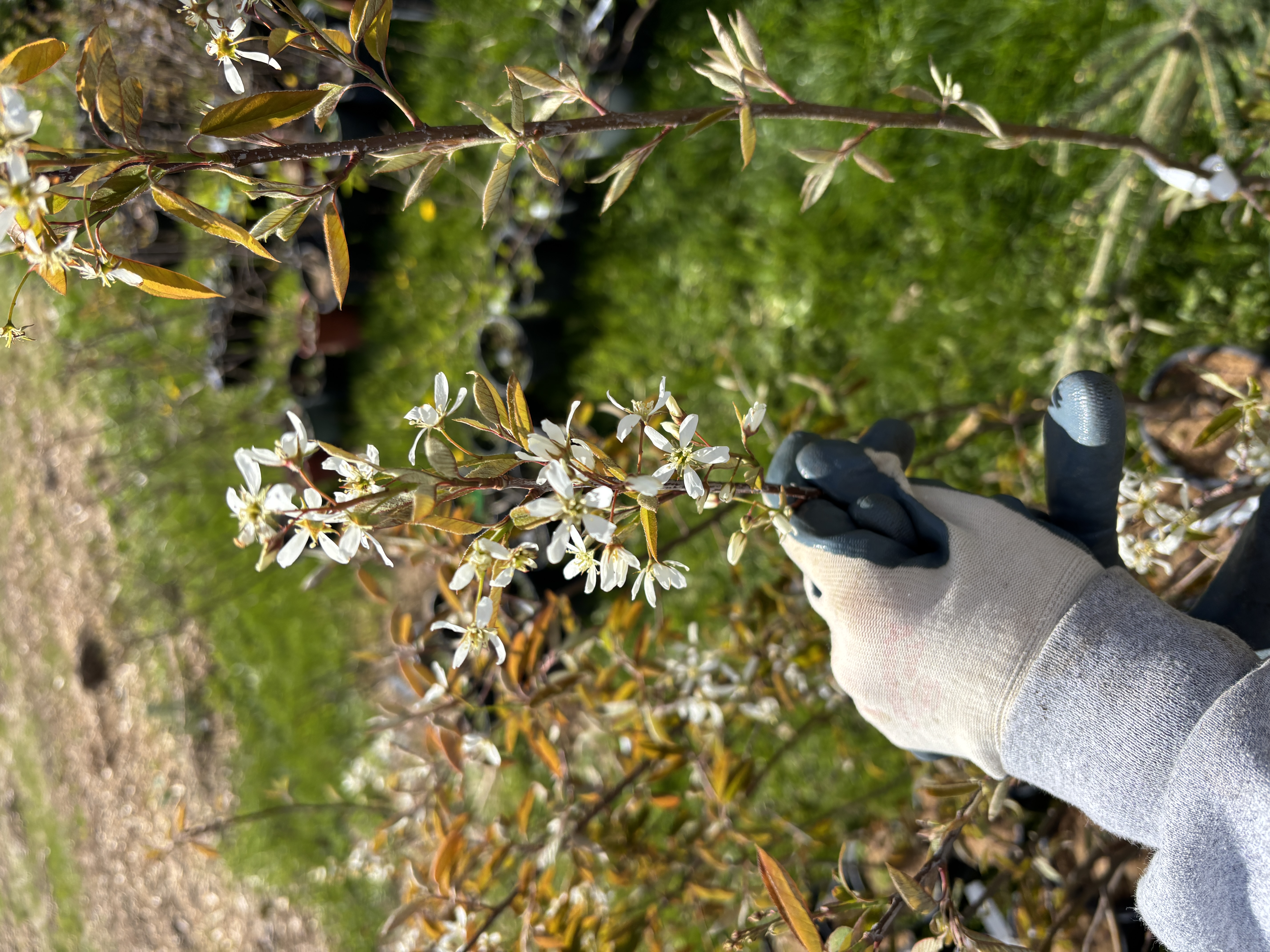
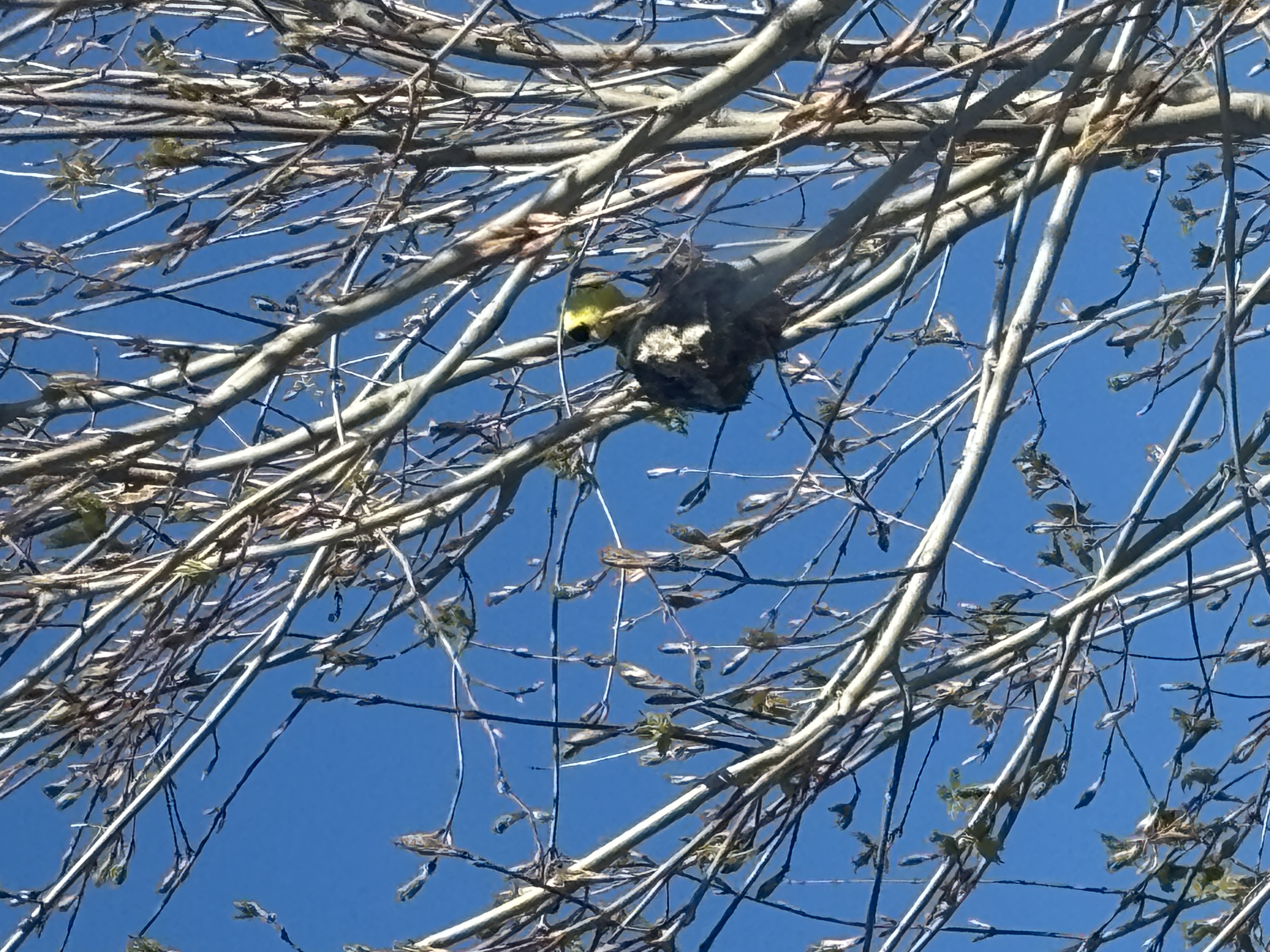
Spend time with the tree. Take note of when the leaves emerge in spring and fall in autumn. Notice if a branch has been chewed off or if a family of birds has moved in. This step may sound trivial, but paying attention to what’s happening with a tree can tell you a lot about its health. If the tree doesn't blossom or its leaves fall off in the middle of July, we know something’s wrong and it needs a little extra care.
For more information on how to water, mulch and monitor the health of your tree, click here.
Following these tips and giving your trees a little extra love can make a big difference. In fact, LEAF’s success in supporting the urban forest is due in part to our wonderful Tree Care Teams, who provide a helping hand and valuable insight into the trees under their care!
Elizabeth C is the Community Planting and Stewardship Assistant at LEAF.
The TCHC Planting and Stewardship Program is implemented by LEAF, TCHC and the City of Toronto. It is funded by the City of Toronto through an Urban Forestry Grant.