Home
  • Search
  • Newsletter Sign-Up
  • Donate
  • About
    • About Us
    • Board of Directors
    • Our Team
    • Supporting Partners
    • Awards
    • Annual Reports
    • Employment Opportunities
    • Contact Us
  • Plant
    • Planting on Private Property
    • Toronto Low-Canopy Neighbourhood Greening Initiative
    • Mississaugas of Scugog Island First Nation
    • Toronto Community Housing
    • Housing York Inc
    • Durham Social Housing
    • Schools
  • Learn
    • Young Urban Forest Leaders
    • Young Ravine Leaders
    • Tree Tenders Training Course
    • Presentations & Tree Tours
    • Backyard Biodiversity
  • Volunteer
    • Become A Volunteer
    • Community Tree Planting & Stewardship
    • Urban Forest Demonstration Gardens
  • Events
  • News & Shop
    • Blog
    • Newsletter Sign-Up
    • Media Coverage
    • Media Releases
    • Gift Certificates
  • Resources
    • Planting Program Brochures
    • The Urban Forest
    • Tree & Shrub Health & Care
    • Estimating Tree Benefits
    • GIO Coalition
    • Green Prosperity
    • Canada's Urban Forestry Footprint
    • Urban Wood Utilization

Healing Your Soil to Support Native Species

  1. Home
  2. Blogs

September 28, 2026 by Elizabeth Chir

A healthy urban forest starts with healthy soil! Recently, our garden steward volunteers spent an evening at the LEAF Learning Garden with Jocelyn Molyneux, founder of Wastenot Farms Inc., to learn about the complex world under our feet. They learned how biology can help us understand – and care for – our soil in order to support our native species, which are so integral to our urban canopy.

During Jocelyn’s workshop, she pointed out that when people talk about healthy soil, they often focus on its physical and chemical properties. However, a crucial part of soil science is missing: the biology!  
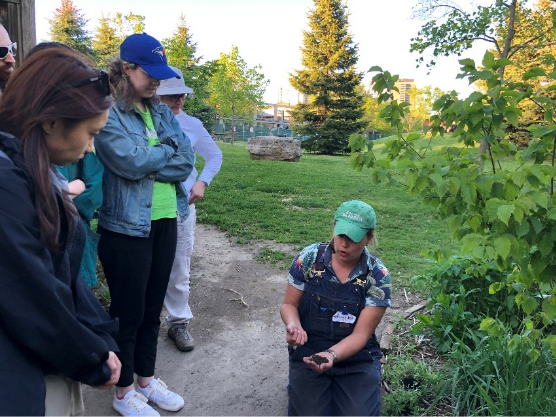
 

A group of volunteers in a garden listening to a workshop presenter who is kneeling down and holding a handful of soil.   
LEAF Garden Steward Volunteers participating in a workshop led by Jocelyn Molyneux at the LEAF Learning Garden. ©2026 Sarah Halonen/LEAF  


Jocelyn provided a crash course on soil biology, including what she described as the “soil food web.” Like many other ecosystems, soil contains an entire community of organisms that interact with one another. Trees play a big part in the soil ecosystem by providing food for bacteria, fungi and other organisms, and in return these organisms break down nutrients the tree needs in a reciprocal relationship. Strengthening this connection between native plants and soil will help the urban forest become more resilient 
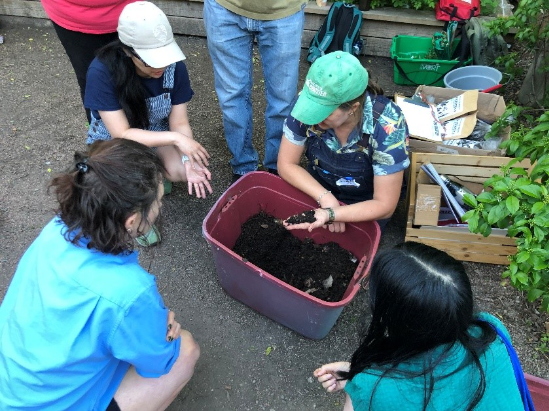
 

A group of volunteers and workshop leader crouched around a red bin filled with garden soil.  
 LEAF Garden Steward Volunteers and Jocelyn Molyneux working with soil in the LEAF Learning Garden. ©2026 Sarah Halonen/LEAF  


Jocelyn provided several tips to help heal your garden’s soil. The first is to stop tilling. Overturning soil every year disrupts the soil structure and the connections between beneficial fungi and bacteria. Leaving the soil alone helps promote long-term biological activity underground.  

With your soil’s structure intact, the next thing to consider is moisture. All life requires water, and one of the best ways to help promote moisture in your soil is by introducing mulch. In the spring, adding mulch around your tree or shrub in a donut shape will help retain soil moisture over the summer. As the mulch naturally breaks down, it provides crucial nutrients that support both your tree and the beneficial organisms in the soil below. 
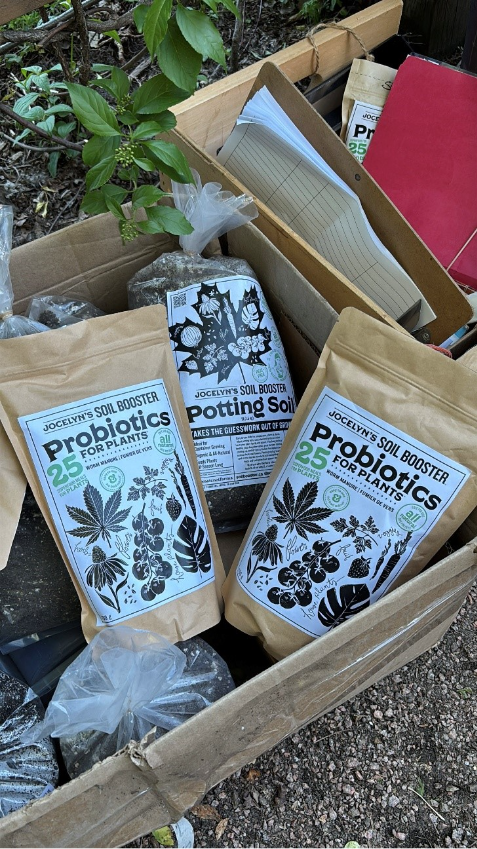
Another way to promote your soil’s biology is to introduce worms! Worms create a soil environment that encourages the growth of beneficial organisms, which in turn support plants. The worms consume organic waste and break it down for other organisms, returning nutrients to trees. Worms also create air pockets that add oxygen to the soil, helping beneficial organisms breathe.   


©2026 Elizabeth Chir/LEAF


Another avenue for introducing more nutrients into your garden is to use a natural, organic soil amendment such as Jocelyn's Soil Booster Worm Manure. A simple sprinkle on the soil acts as a catalyst for rehabilitating soil health with the natural microbiology required to grow healthy plants and trees. This worm manure is a great alternative to chemical fertilizers, which can inadvertently harm the long-term health of your soil and plants.  

Healing soil, especially in urban or degraded areas, will take time, but using one or more of these practices will help bring life back to your garden, support native plants and strengthen the ecosystem both above and below ground.  


Elizabeth Chir is the Community Planting and Stewardship Assistant at LEAF. 


The LEAF Urban Forest Demonstration Gardens, including the LEAF Learning Garden, are supported by the City of Toronto and the Toronto Transit Commission. 


  • Contact Us
  • Privacy Policy
  • Site Map
  • LEAF Blog
  • Newsletter sign-up

© 2011-2026 LEAF - Local Enhancement & Appreciation of Forests

© All photos, graphics and images on this site remain the copyright of LEAF and should not be downloaded without prior permission.