
Looking Beyond What We See
When sunlight reaches a forest floor, it illuminates more than the trees that rise from it. It reveals the smaller plants, the spaces between branches and the many forms of life that depend on one another. Green spaces work in much the same way. What might appear to be a simple patch of grass or a group of trees can be part of a much larger ecosystem.
Native trees and shrubs play a critical role in these urban environments, enriching local biodiversity by providing food and habitat for birds, insects and other wildlife. Plant diversity is particularly important, as different species support different forms of life and help create healthy, rich ecosystems.
Intentionally enhancing an area by planting native species — a process referred to as naturalization — encourages us to look beyond appearances. Rather than viewing green spaces as finished landscapes, we can begin to appreciate them as living environments that grow and change over time. Shining a light on these connections helps us recognize that even the most familiar outdoor spaces have much more to offer than we might first imagine.
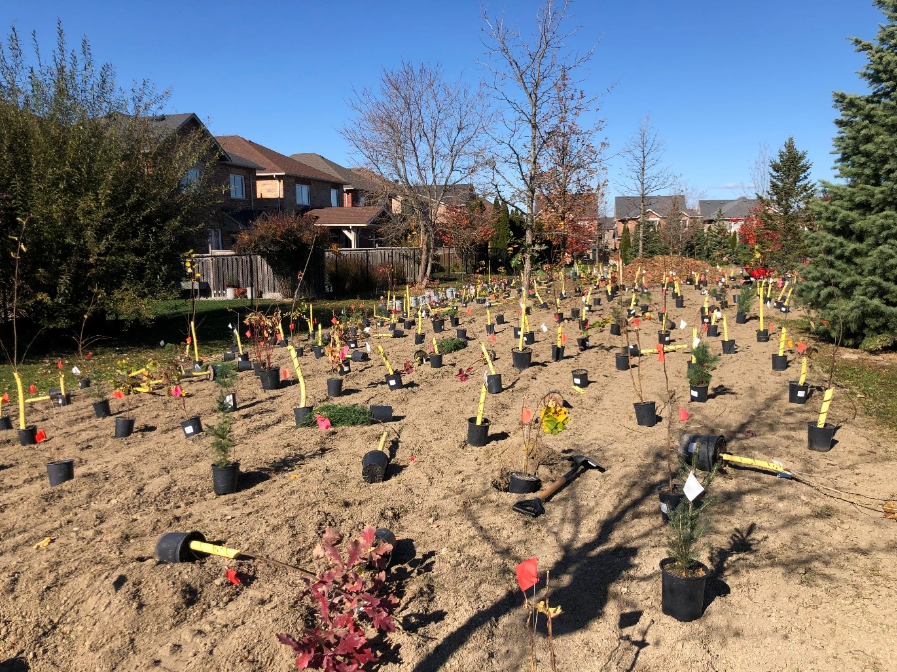
Shining a Light on York Region
Looking more closely at our green spaces also helps us understand their importance to the communities around us. A tree’s canopy provides shade during hot weather, while its roots help absorb rainfall and facilitate stormwater management. With appropriate species selection and long-term care, naturalized landscapes can contribute to healthier urban forests and help communities become more resilient to the effects of climate change.
However, the benefits of naturalization are not always immediately visible. Newly planted trees and shrubs take time to mature, with their ecological benefits growing over time. As communities face the increasing effects of climate change, recognizing the lasting value of naturalization becomes all the more important. Understanding this longer-term perspective ultimately helps us appreciate why planting and caring for native vegetation matters.
With support from York Region through the Disaster Mitigation and Adaptation Fund, LEAF’s community planting events have brought naturalization projects to communities across the Region, including Vaughan, Markham, Newmarket, Georgina and Aurora. Each site has its own landscape and needs, but all offer an opportunity to support nature while helping residents connect with their local environment.
These projects highlight the potential of our green spaces, illuminating not only what they are today but what they can become in the years ahead.
Growing Something Together
Sunlight helps plants grow, but a thriving landscape also needs time, suitable conditions and care. Similarly, creating healthier green spaces takes more than planting a tree. It requires ongoing attention and an understanding of how plants fit into their surroundings.
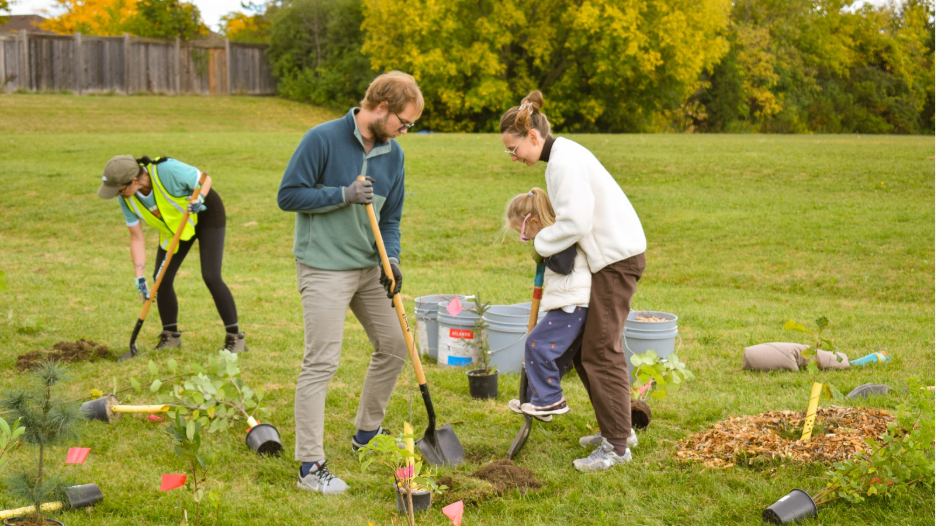
Community planting events invite residents to take part in this process. This year, community members across York Region planted 5,000 native trees and shrubs, helping expand the Region’s urban forest. These events create important opportunities for participants to learn about local ecosystems and contribute to the future of the places they call home. Shared experiences like these can help make environmental stewardship feel more accessible and meaningful, turning care for nature into something people can participate in as part of their everyday lives.
A Different Way of Seeing
My experience as a Naturalization Assistant with LEAF is changing how I see the landscapes around me. I am noticing not only the trees themselves, but also the relationships between plants, wildlife, people and the places we share. What once seemed ordinary can reveal a much bigger story when we take the time to look more closely.
Sunlight helps bring these connections into view. In much the same way, raising awareness about naturalization helps us recognize the value of nature that might otherwise go unnoticed. It helps us understand why these spaces matter and how we can help them thrive.
Sometimes, the first step towards a greener future is simply learning to see our surroundings differently. From there, awareness can grow into appreciation, and appreciation can inspire action. Whether it’s noticing the native plants in your neighbourhood or taking part in a community planting event, every opportunity to connect with nature brings us one step closer to a greener future.
If you are interested in participating in our community planting events, visit the LEAF events page or become a LEAF volunteer.
Gavin Pine is the Naturalization Assistant at LEAF.
Our planting events in York Region are supported in part by the Regional Municipality of York through the Disaster Mitigation and Adaptation Fund (DMAF), the Town of Aurora, the Town of Georgina, the City of Markham, the City of Newmarket, the City of Vaughan and Canadian Trees for Life.