
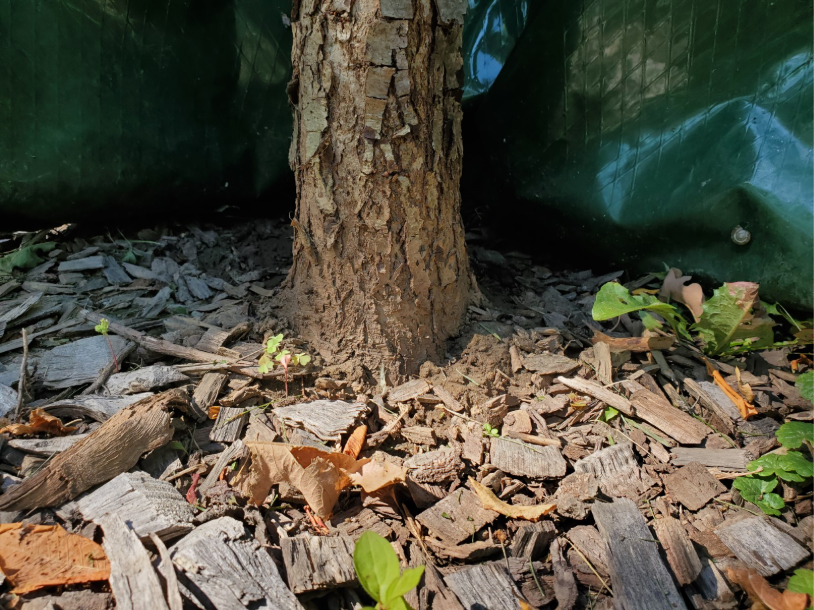
More Than a Place to Live
A neighbourhood is more than its buildings, streets and sidewalks. It’s where people build relationships, raise families and create memories. Community housing neighbourhoods bring together people of different cultures and generations, each with their own stories and connections to the places they call home.
Many of those relationships and memories take shape in the shared green spaces, where neighbours cross paths, children play and people gather. Trees can make shared outdoor spaces more comfortable and inviting, becoming familiar and valued parts of daily life as they grow.
Trees enhance neighbourhoods by:
Providing shade and helping cool surrounding spaces on hot days
Creating habitats for birds and other wildlife
Bringing people closer to nature in their everyday lives
But not everyone has equal access to these benefits and some neighbourhoods have more trees than others. Tree equity means looking beyond the total number of trees a city has and asking where those trees grow and which communities can enjoy them.
Community housing neighbourhoods are an important part of this conversation because they often have fewer opportunities for tree planting. When resources are limited, they tend to go to essentials like infrastructure, while trees and landscaping receive less consideration. Bringing trees into these spaces recognizes that every neighbourhood deserves the opportunity to grow greener and benefit from urban nature.
Planting Is Only the Beginning
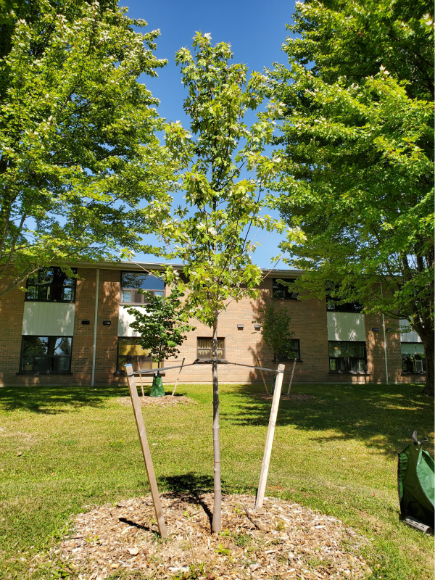
A newly planted tree holds enormous potential, but getting it into the ground is only the first step. Young trees need regular care as they establish their roots and adjust to their surroundings. The support they receive in these early years can make a significant difference in how well they grow and thrive.
Through the Housing York Inc. Tree Stewardship Initiative, LEAF worked with HYI and York Region Forestry over a two-year period to bring 151 trees to 10 HYI properties and support the establishment of Tree Care Teams. These figures represent more than new additions to the urban forest; they reflect the importance of involving and supporting the people who care for them.
The Tree Care Teams have been central to the initiative’s success. Through hands-on training and access to resources, residents have learned practical ways to provide critical care for young trees, including watering, weeding and mulching.
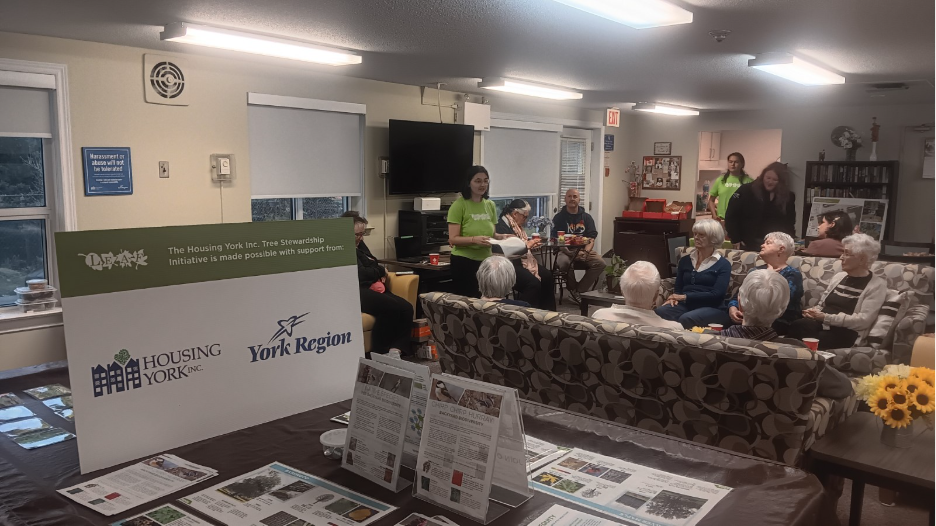
The value of this kind of stewardship extends beyond keeping trees alive. When residents come together to care for their shared outdoor spaces, they also build connections with one another and with the places they call home. Taking part in a tree’s growth creates a shared sense of responsibility and gives residents the opportunity to see the results of their efforts over time.
A newly planted tree may seem like a small addition to a neighbourhood, but it can grow into something residents value and help protect. The people who nurture these trees become part of the urban forest’s story, just as the trees themselves do.
A Legacy that Keeps Growing
Two years, the length of the HYI initiative, is of course only a small fraction of a tree’s life. Long after a program like this ends, a tree will keep growing, bringing benefits that may take years to emerge. Those benefits may be difficult to measure at the end of a program, but they will be felt: trees may shade a familiar walkway, shelter birds outside someone’s window, or become landmarks in the memories of future generations. A young tree may offer little shade today, but its future canopy could become an important part of the everyday lives of residents who have yet to arrive.
The same longer-term perspective applies to stewardship: the knowledge, skills and connections gained through an initiative don’t end when a program does. With the right tools and resources, residents can keep applying what they’ve learned to care for the trees in their neighbourhoods.
Sowing the Seeds for a Greener Future
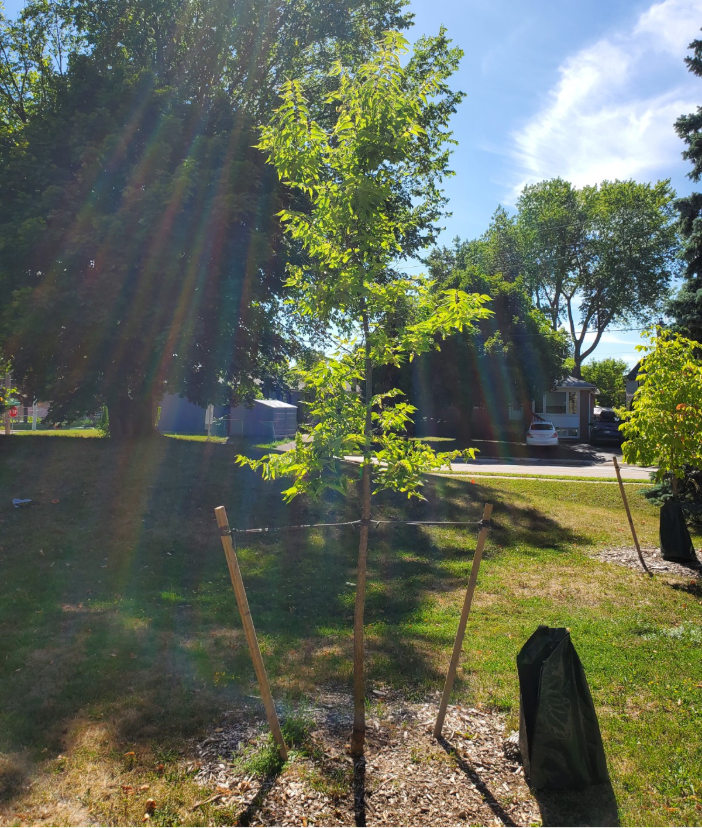
Ultimately, growing a lasting urban forest — and advancing tree equity in the process — takes more than planting trees. It means planning for the ongoing care trees need, ensuring that residents have the knowledge and resources to support them and working towards a future where every neighbourhood shares equitably in the benefits of urban nature.
Of course, no single program can address every challenge or gap in access to green spaces. But initiatives like this one show the value of community partnerships, tree planting and resident stewardship. Investing not only in trees but in the people who care for them can help create greener, more connected neighbourhoods that enable more people to experience the benefits of nature close to home.
Learn more about the Housing York Inc. Tree Stewardship Initiative and how LEAF supports tree equity, the urban forest and the communities that care for them.
Gizelle is the Community Housing Stewardship Coordinator at LEAF, overseeing our suite of community housing planting and stewardship programs.
The Housing York Inc. Tree Stewardship Initiative is supported by the Regional Municipality of York.