
A partnership between Forests Ontario and the Ontario Urban Forest Council, Ontario’s Heritage Tree Program recognizes heritage trees across the province that are nominated by individuals and community groups.

Edith began by telling us what a heritage tree is: a notable specimen because if its size, form, shape, beauty, age, colour, rarity, genetic constitution, or other distinctive features. Historical or cultural connections can also merit heritage status for a tree.
She also walked us through the process used to evaluate a potential heritage tree. It is quite comprehensive, assessing historical and cultural significance, rarity, size, age, health, expected longevity, aesthetics, and form.

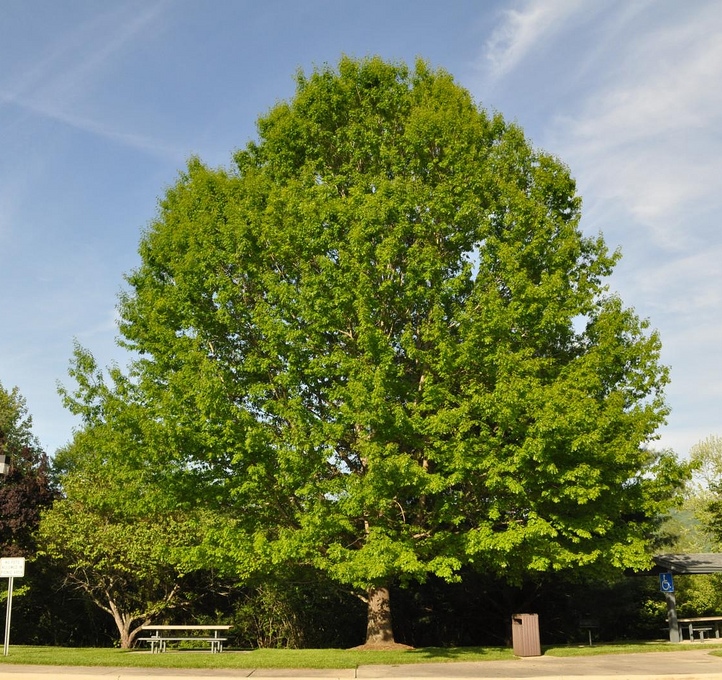
Edith then shared the stories of some pretty amazing trees right here in Toronto. For example, there was a red oak, 16 feet in circumference and estimated to be between 250 and 400 years old. Back when the house it currently shades was located in a new subdivision, a father bought the property because of the tree; his family has cared for it for two generations, preventing workers from cutting it down and ensuring its health. They’ve even made holes in their driveway to ensure that the tree’s extensive root system gets enough water. This ancient tree is so strong and healthy that it made it through last winter’s ice storm completely unscathed. Now it offers joy to its owners and neighbours, all seasons of the year.
I found it pretty amazing the way that Edith researches trees to uncover their history and cultural significance. This component is important in gaining heritage status and also allows her to weave stories about trees. A former board member of the Weston Historical Society, she thinks about trees the way other historians might think about an old house. This enables her to begin researching how the land it stands on has changed hands and who has been connected with the tree.
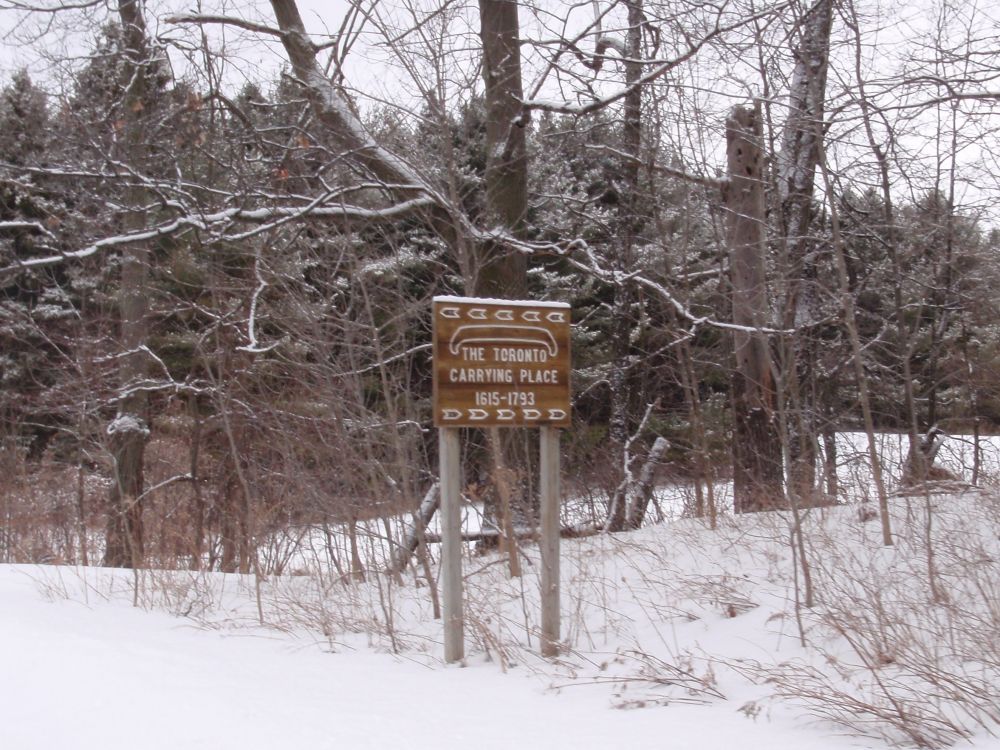
Several of the heritage trees that we discussed turned out to be along the Toronto Carrying-Place Trail. This major portage route linked Lake Ontario with Lake Simcoe and the northern Great Lakes. It was used for trade by First Nations groups and, later, French and English fur traders, and is part of the reason that the town of York developed here. The trees Edith mentioned would have provided shade and lookout points to people carrying canoes and trading furs centuries ago. Amazing to have such a concrete (or wooden?) connection to the past!
In the City of Toronto, trees recognized through the Heritage Tree Program are protected under the city’s tree protection bylaw. Section 813-9 F. states that the General Manager shall not issue a permit where “the tree is a heritage tree, or should in the opinion of the General Manager be recommended for designation as a heritage tree.” It is important to recognize these impressive trees so that they are eligible for extra protection under this bylaw.
Edith’s stories were engaging and inspiring. I think we all left feeling ready to learn more about what our favorite old trees have seen in their lives and to work toward recognizing them as heritage trees. If you’d like to nominate a heritage tree, you can get the nomination form here.
Robyn Stewart is the Education and Outreach Coordinator at LEAF.