
In Toronto, the urban forest provides over $55 million in ecosystem services annually, including cleaner air, flood prevention, lower energy costs for households and resilience against climate change. These benefits are greatest when trees are healthy and reach maturity. However, trees growing in urban environments face unique stressors that may prevent them from surviving and thriving. Here are the top four stressors urban trees experience and how you can reduce their impact.
Physical Damage
In urban environments, trees exist alongside people, buildings, transportation infrastructure and development sites. Not only are these growing conditions very different from those in a natural forest, but they also make urban trees more vulnerable to physical damage from human activity. The proximity of urban trees to human-built surroundings leads to situations where landscaping, construction and even pruning equipment can come into contact with trees, causing physical damage. Even common, seemingly harmless practices such as hanging lights in trees, placing decorative stones at their base, locking bikes to trees or nailing things to your tree can inflict damage.
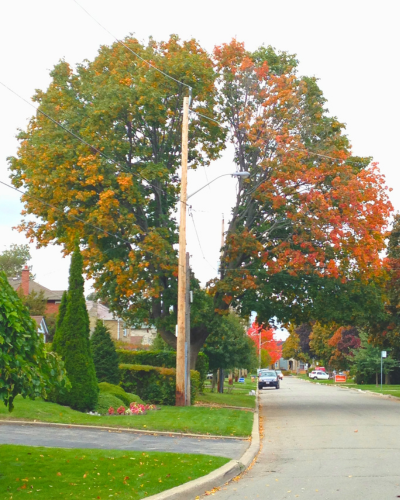
Limited Growing Space
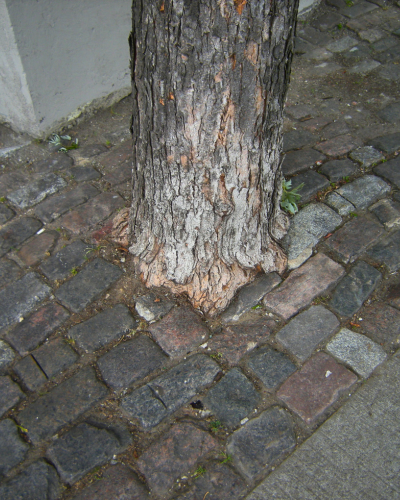
Urban trees face competition for the space they need to grow both above and below ground. Space for grey infrastructure, such as roads, sidewalks and stormwater management systems, is prioritized in urban areas, reducing the available space for planting trees. This leads to trees being planted in small, confined spaces — often in compacted soil — where their root systems struggle to access the water, nutrients and oxygen they need to thrive. These conditions make it hard for trees to grow and respond to other stressors.
Pollution
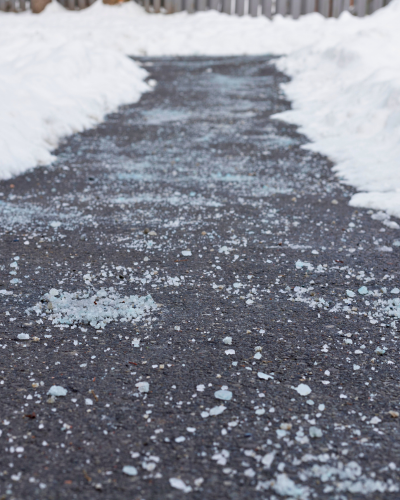
Urban trees must deal with many sources of pollution that their forest-dwelling relatives do not. Vehicle emissions, road salt and de-icers, dust, and soil contaminants are all types of pollution that urban trees may be exposed to. Pollution creates stress by disrupting a tree’s ability to effectively absorb water, take up nutrients and carry out photosynthesis (aka a tree’s food-making process). This weakens a tree’s natural defences, making it more susceptible to pests and disease.
Environmental Extremes
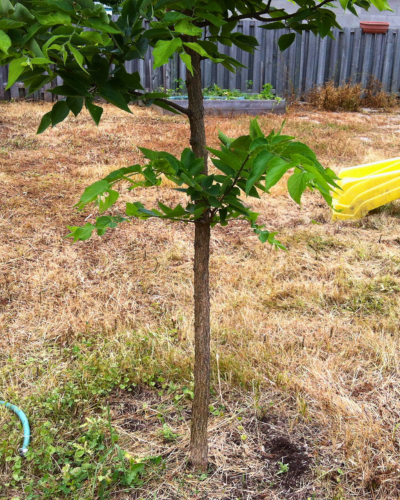
The impacts of environmental extremes experienced by urban trees are more severe than woodland trees due to the “urban heat island effect”. Urban heat islands are areas where human activity, built infrastructure and the replacement of natural land cover with heat-absorbing surfaces — such as concrete and asphalt — create temperatures significantly warmer than surrounding rural areas. Unpredictable temperature trends, pollution and limited growing space can compound these issues, and contending with all of these challenges year after year reduces a tree’s ability to respond to additional stress.
Ways to Reduce Stress in Urban Trees
Here are some steps you can take both before and after planting to protect your tree from stressors.
Before planting:
- Select tree planting locations with future development and landscaping plans in mind. Careful placement today can help prevent conflicts later, reducing the need to remove, relocate or take special measures to protect trees during construction or property improvements.
- Plant native species. Native tree species are adapted to our local climate and will be better able to withstand environmental extremes.
- Choose planting locations with space in mind. LEAF’s minimum spacing guidelines can help you select a location that will allow your tree to grow above and below ground and avoid conflict.
- Select tree species that match the growing conditions of the planting space. When trees are planted in soil or sunlight conditions they aren’t suited for, they can struggle to access the resources they need, making it harder for them to grow and stay healthy.
After planting:
- Mulch your tree. Mulch not only looks good but also improves soil quality, suppresses weeds, protects tree roots against extreme temperatures and retains soil moisture. Find more on mulching, read our blog.
- Water your tree. For at least the first two years after planting and during periods of drought, ensure you water your tree with a deep soak. This encourages a healthy, extensive root system that will enhance your tree’s ability to get the resources it needs as it grows. Read more on proper watering here.
- Prune your tree properly. Proper pruning techniques will ensure minimal harm and maximum benefit from your pruning efforts. Check out the ISA’s Pruning Young Trees and Pruning Mature Trees factsheets to learn more.
- Choose tree-friendly alternatives to road salt, such as sand, or reduce its use in areas near your tree. In the springtime, direct salty meltwater away from your tree and rinse salt buildup off your tree.
While today’s urban environment presents challenges for tree growth, awareness of these challenges equips you to help local trees weather them. On your own property, you can ensure that an appropriate species is planted in the best possible location, receives deep regular watering (especially during establishment), stays consistently mulched and is protected from road salt and other de-icers. In parks and naturalized spaces, tree stewardship groups can provide tree care and those groups can almost always use another set of hands! For trees on public property, staying in touch with your region’s parks and recreation department and advocating to your municipality can have a real impact on how well trees are cared for. These may seem like simple strategies, but when consistently followed, they benefit not only your own property, but the urban forest as a whole.
If you’re interested in planting a tree in your backyard, LEAF can help! Our subsidized program makes planting native species easy, fun and affordable. Apply to the Backyard Tree Planting Program or contact us today to get started!
Joel S. is the Residential Planting Programs Field Assistant at LEAF.
LEAF offers a subsidized Backyard Tree Planting Program for private property. The program is supported by the City of Toronto, the Regional Municipality of York, the City of Markham, the Town of Newmarket, the City of Vaughan, the Regional Municipality of Durham, the Town of Ajax, the Municipality of Clarington, the City of Oshawa, the City of Pickering, the Township of Scugog and the Town of Whitby.